Aerobatic Pilot Skills: What Makes a Great One
Spatial awareness, energy management, G-tolerance and calm under load: the real aerobatic pilot skills behind every loop, roll and hammerhead you will fly.
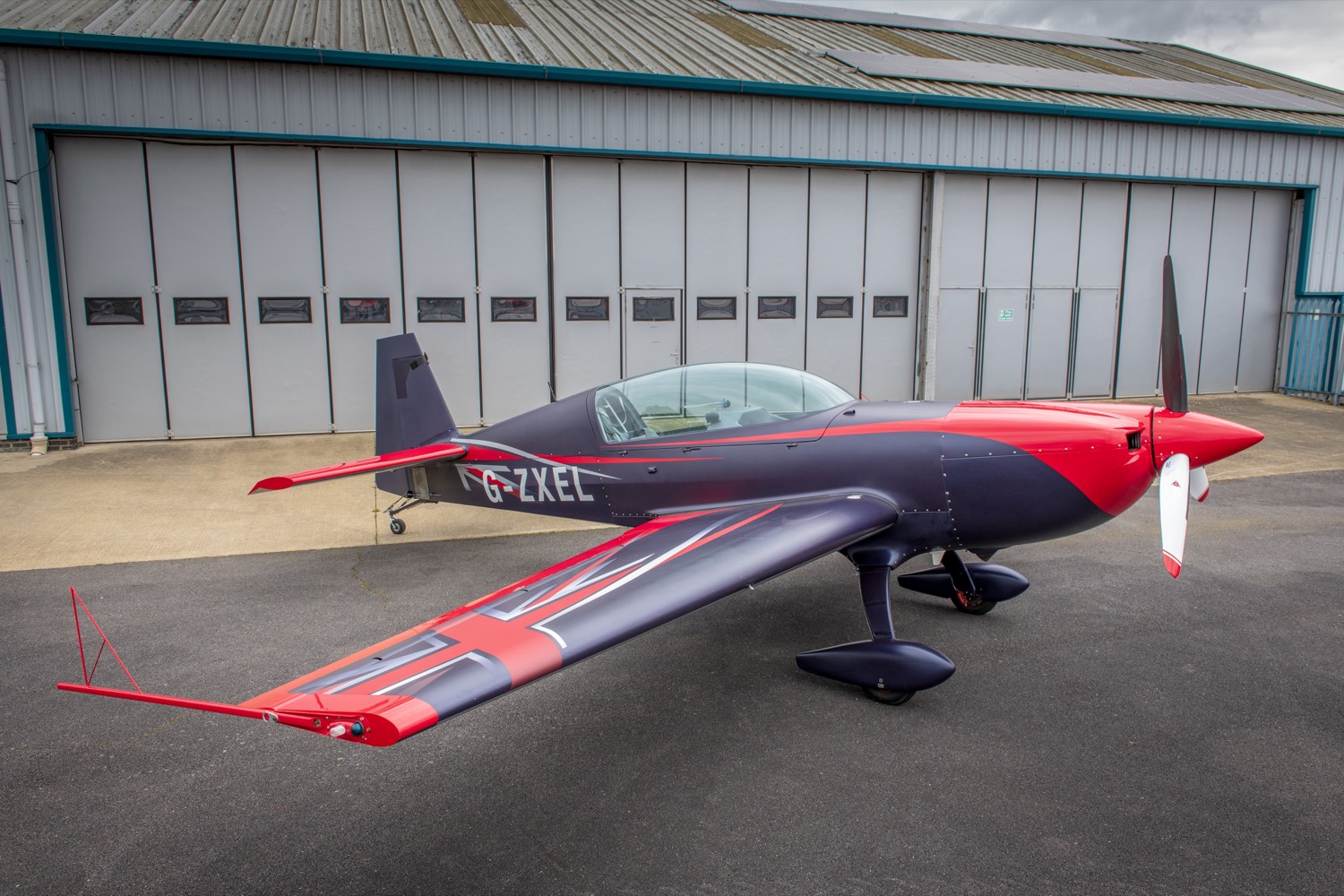
Watch a good aerobatic pilot fly a sequence and it looks effortless: the aircraft draws clean lines in the sky, each figure flowing into the next. That ease is the giveaway. The aerobatic pilot skills that make it possible are quiet, deliberate and hard-won, and once you know what to look for you will never watch a display the same way again.
Whether you are booking your first flight or wondering what it would take to fly one yourself, here is what actually separates a great aerobatic pilot from a merely capable one.
Spatial awareness: knowing where “up” is
Roll inverted, pull through a loop, and the horizon does not sit where your body expects it. A strong pilot always knows the aircraft’s attitude, altitude and heading, even when the ground is above their head and the world is spinning.
This is the skill that first-timers underestimate most. You cannot rely on the seat of your trousers, because under G your body lies to you. Great pilots build a rock-solid mental picture and trust it, cross-checking against the horizon and the instruments dozens of times a minute.
Energy management: flying is spending and saving
Every aerobatic figure is a trade between speed and height. You spend speed to climb into a loop; you gain it back on the way down. Get the trade right and the sequence flows. Get it wrong and you arrive at the top of a manoeuvre with nothing left to give.
Think of it like a skateboarder in a half-pipe, reading momentum before every move. A good pilot is always a few seconds ahead of the aircraft, setting up the next figure while flying the current one. That foresight is why a well-flown sequence never looks rushed or ragged.
Precision: the difference between “a loop” and the loop
Anyone can haul an aircraft over the top of a loop. Making it a true circle (same radius all the way round, wings dead level at the entry and the exit) takes a control touch measured in millimetres.
Precision is what turns a manoeuvre into a piece of craftsmanship. The best pilots fly with small, smooth, deliberate inputs, and the results show it. If you want to see the shapes those inputs draw, our guide to the manoeuvres every first-timer should try walks through them one by one.
G-tolerance: the body has to keep up
Aerobatics loads the body. Pull into a figure and positive G presses you down into the seat; push into another and negative G lifts you against the straps. A pilot has to stay sharp and clear-headed through both.
You do not need to be an athlete, but you do need a few honest habits:
- Stay hydrated and well-rested: dehydration and fatigue wreck your tolerance for G
- Breathe deliberately: short, controlled breaths, never holding it
- Tense the legs and core under positive G to keep blood where the brain needs it
- Build up gradually so the body learns what is coming
None of this is exotic. It is the same conditioning that lets a passenger enjoy their experience flight rather than endure it. Your pilot simply does it flight after flight.
Calm under load: the skill you cannot see
Here is the one that matters most, and the one that never shows on the outside. When the horizon is tumbling and the airframe is loaded, a great aerobatic pilot’s heart rate barely moves. They stay ahead of the aircraft, they have a plan for every figure, and they have a plan for stopping if a figure does not feel right.
That calm is not bravado. It is the product of training, repetition and knowing the aircraft’s limits are far beyond anything a normal flight will ask of it. Composure is what lets a pilot fly close to the edge while keeping a first-timer completely safe in the seat beside them.
Do you need all of this to fly as a passenger?
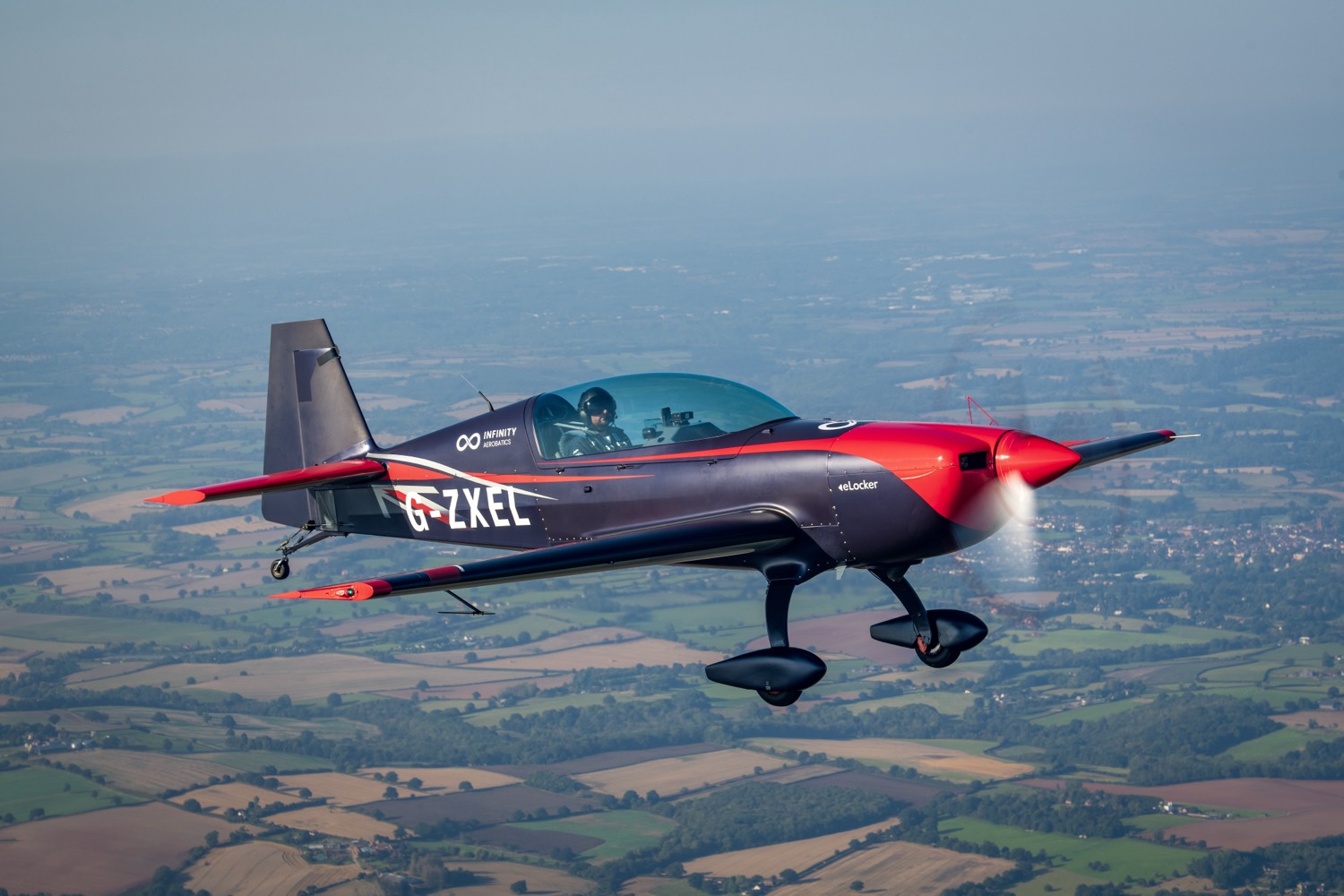
Not at all. On an experience flight, the pilot brings every one of these skills so you do not have to. Your only job is to enjoy it, and to say the word if you want more intensity or a gentler ride. The aircraft (an Extra 300, built to fly as happily inverted as upright) does the rest.
What the list really tells you is why the whole thing feels so smooth from the passenger seat. The ease you feel is skill you cannot see, working quietly the entire flight.
Great aerobatic flying is not luck or nerve. It is spatial awareness, energy, precision, tolerance and calm, layered together until they look like nothing at all.
Keep reading
 Aviation 101
How Do Planes Actually Take Off? The Science, Simply Explained
Lift, thrust, drag and weight: the four forces that let two tonnes of metal leave the ground. A clear, jargon-free explanation of what really gets an aircraft flying.
 Aviation 101
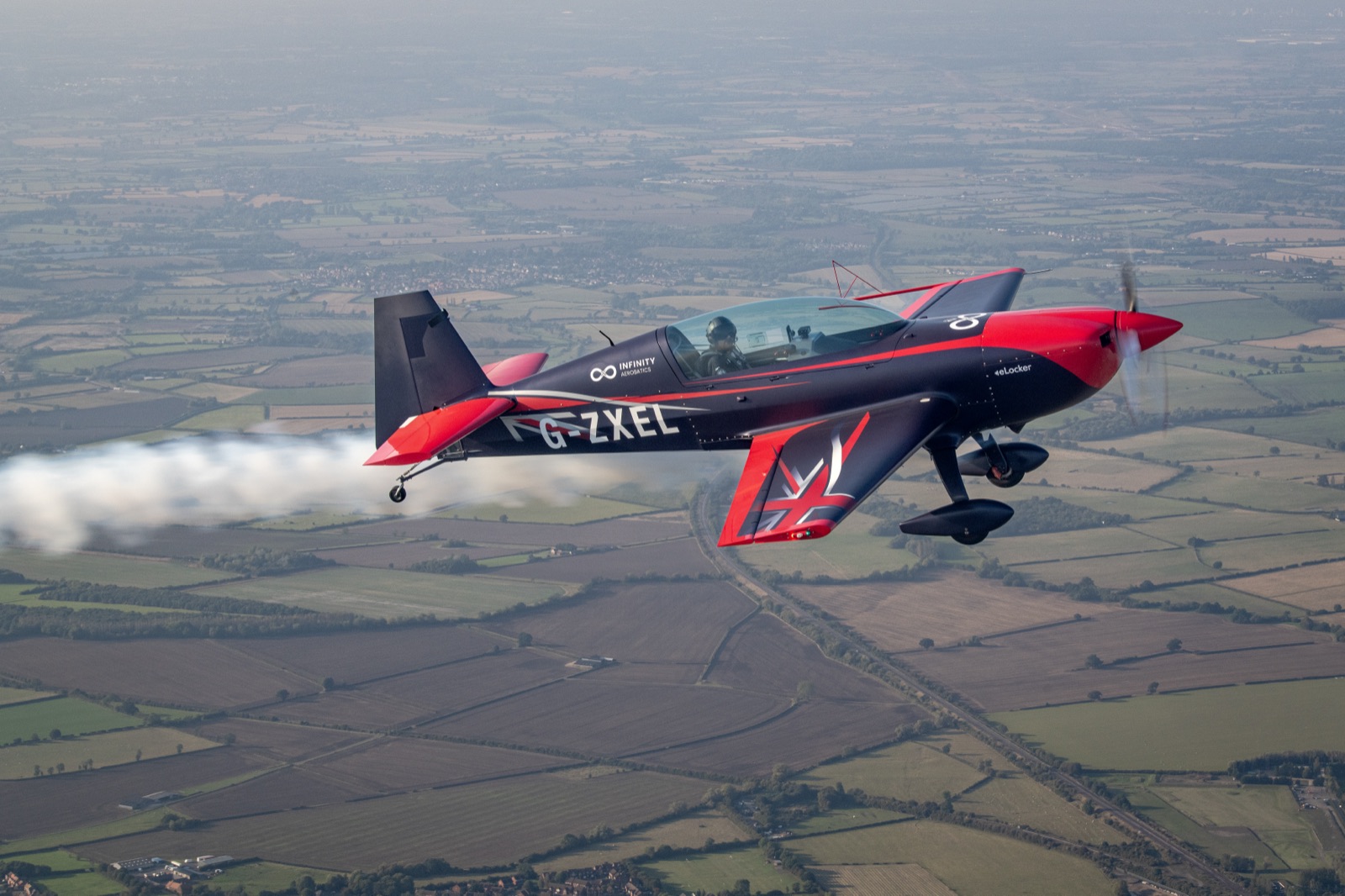
How to Fly a Loop: The Manoeuvre, Step by Step
How to fly a loop, explained step by step: the entry, the pull, the float over the top, and what each moment feels like from the Extra 300.