Formation Flying: A Warm Welcome for New Pilots
Curious about formation flying? Here is how it works, what it feels like to fly a few feet from another aircraft, and how a first-timer joins in at Infinity.
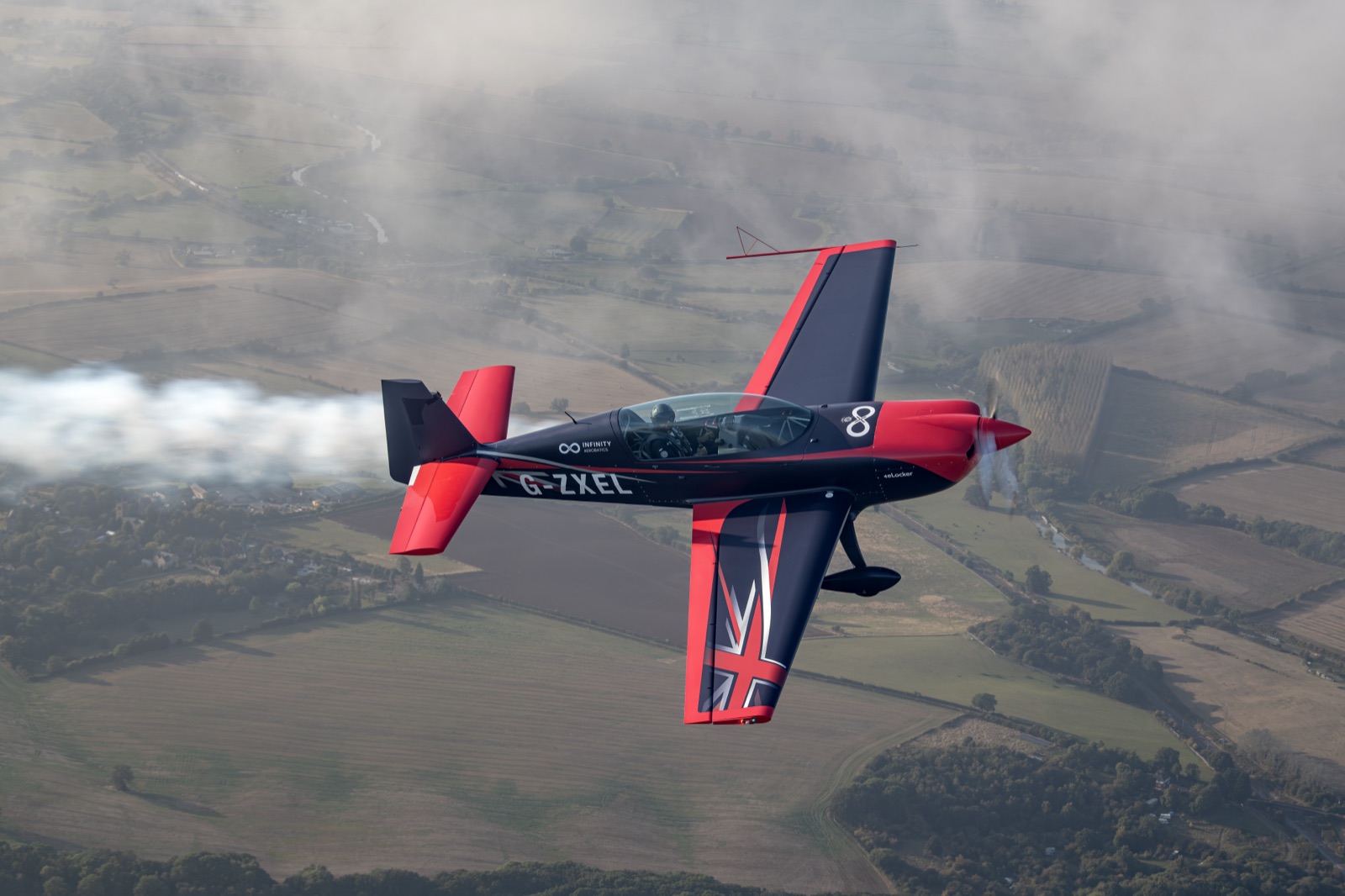
There is a particular kind of grin you only get from formation flying: the one that arrives when you glance across and see another aircraft holding station just off your wingtip, steady as if it were painted onto the sky. It looks impossibly precise from the ground. Up close, it is a conversation: two pilots, two aeroplanes, one shared piece of air. If you have ever watched a pair of Extras roll together and thought “I could never do that”, this is for you. You can, and here is how it starts.
What is formation flying, really?
Formation flying is the discipline of flying two or more aircraft in close, structured proximity: deliberately, safely, and in a fixed relationship to one another. One aircraft leads; the others hold position off it, matching its every move.
It is not the reckless thing the phrase might suggest. It is the opposite: slow, methodical skill-building, where control and communication matter far more than nerve. The thrill is real, but it is earned through precision, not bravado.
Why pilots fall for it
Ask anyone who flies formation why they keep coming back and the answer is rarely “the adrenaline”. It is the people.
You spend the ground time briefing together, the air time trusting one another completely, and the evening replaying every sortie over a drink. Flying only a few feet apart from someone builds a bond quickly, because it has to. The camaraderie is the point as much as the flying is.
There is a skills payoff, too. Formation sharpens everything:
- Precision: you learn to fly the aircraft with your fingertips, holding a position to within inches.
- Communication: clear, calm radio and hand signals become second nature.
- Awareness: you develop a feel for exactly where you are relative to another aircraft, always.
- Discipline: safety procedures and briefings become a rhythm you carry into all your flying.
Pilots leave formation training flying more accurately across the board, not just in the formation itself.
Do I need to be an experienced pilot?
You need to be able to fly, but you do not need to arrive an expert. Formation is taught in layers, and the whole point of our camps is to take you from the basics to genuine capability at a pace you can absorb.
You start with straightforward two-ship positions, get comfortable there, and only then move on to closer, more complex configurations and manoeuvres. Confidence leads; complexity follows. Nobody is thrown in at the deep end, and there is always an experienced instructor watching over every step.
If you are earlier in your journey and simply want to feel what an Extra 300 does before you commit to formation, one of our experience flights is the natural first move. It is the fastest way to understand the aircraft you would be flying.
What a formation camp actually looks like
Our formation training runs as a camp: anything from a weekend to a full week, depending on how deep you want to go and the experience in the group. The structure is built to maximise flying time without wearing you out.
A typical day looks like this:
- A pre-flight briefing, where you walk through exactly what the sortie will involve before you start the engine.
- Two to three sorties, spaced through the day with real downtime between them. Formation is demanding at first, and the gaps let you reset.
- A post-flight debrief, where you review what worked, what to tidy up, and what comes next.
That downtime is not wasted. Some of the best learning happens on the ground, comparing notes with the other pilots and watching the day’s flying come together.
Is it safe to fly that close?
Safety is the whole architecture of formation flying, not an afterthought bolted on. Every position, every join, every break is briefed on the ground before anyone gets airborne, and your instructor keeps a close eye throughout.
The close proximity that looks alarming from outside feels controlled from inside, because it is built on procedure, clear communication and gradual progression. You are never asked to do anything you have not prepared for on the ground first. And the Extra 300 is a superb aircraft for it: precise, responsive, and honest about exactly what it is doing, which is precisely what you want when another aeroplane is holding station off your wing.
If you have seen our aerobatic pilots fly at an event, that same precision underpins the airshow work. Formation is where a lot of it begins.
Formation flying is more welcoming than it looks: good people, patient teaching, and one of the finest views in aviation. If you would like the fuller detail on how the training runs, read our guide to formation flying training. Then come and fly a wing with us.
Keep reading
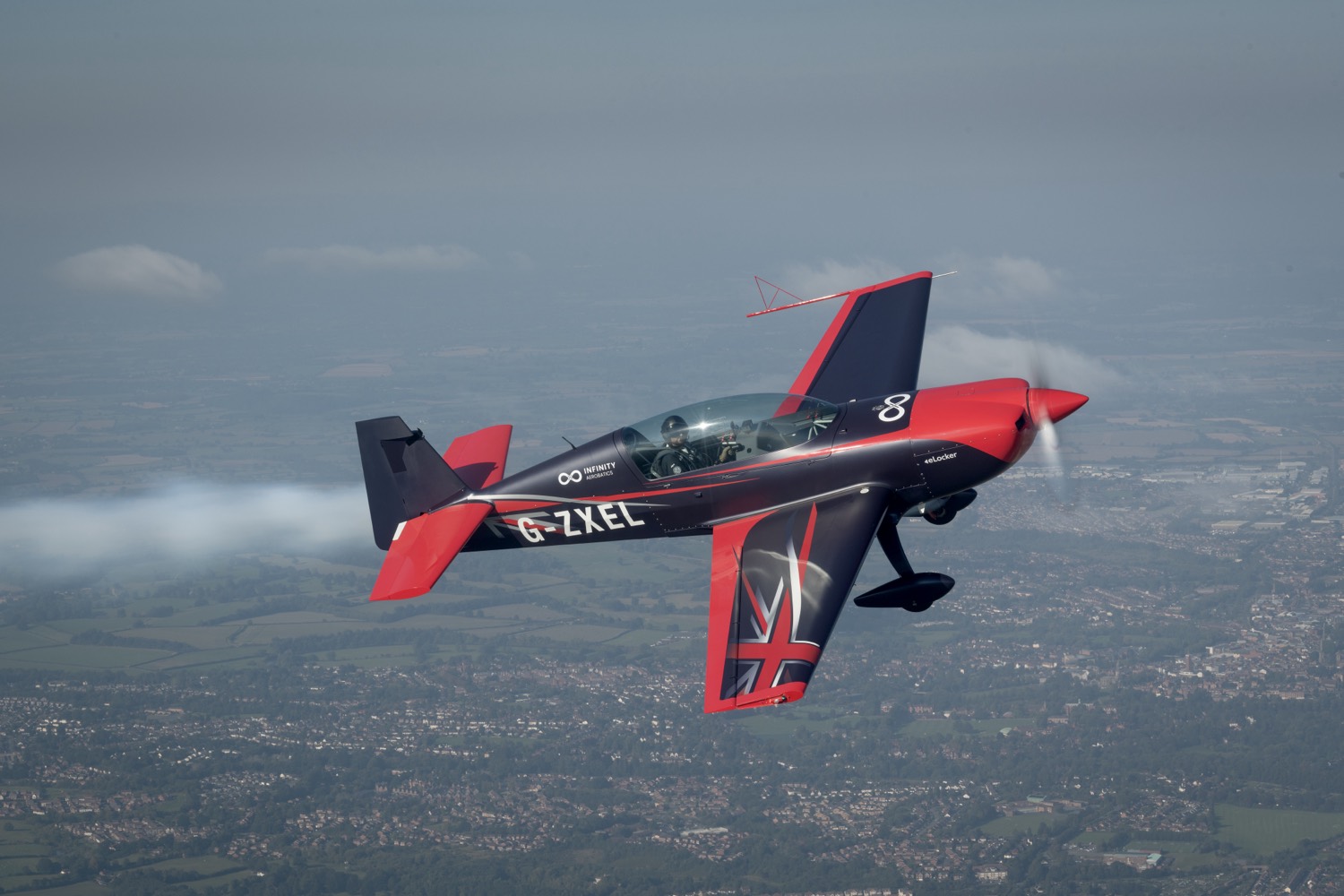 Formation
Formation Flying: The Skill Behind the Spectacle
Formation flying looks like magic from the ground. Here is the real skill behind it: the spacing, timing and trust that hold two aircraft as one.
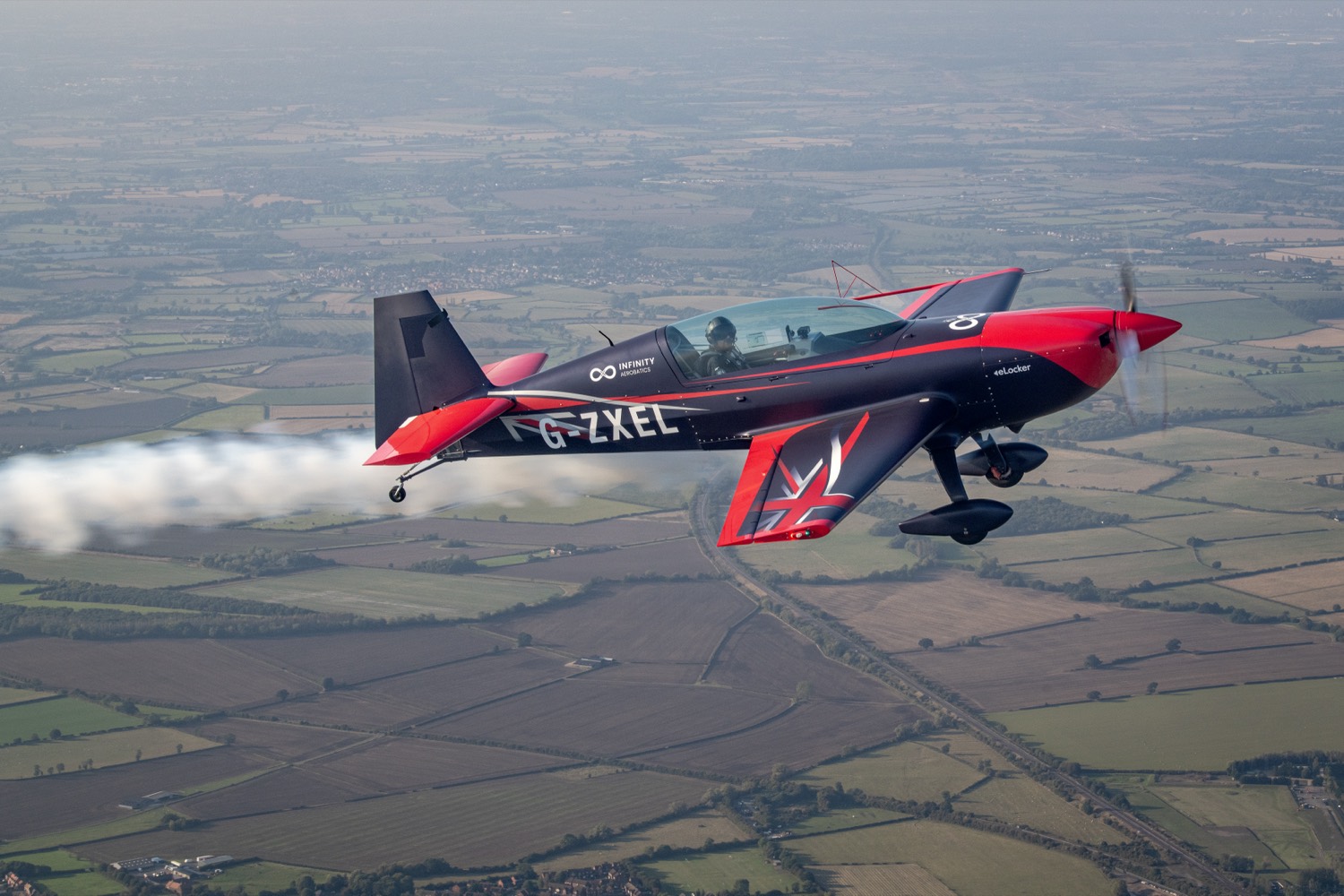 Formation
Formation Flying Training: How the Skill Is Built
What formation flying training really teaches: holding position to the foot, reading another aircraft by eye, and the discipline behind flying as one.