Formation Flying Training: How the Skill Is Built
What formation flying training really teaches: holding position to the foot, reading another aircraft by eye, and the discipline behind flying as one.
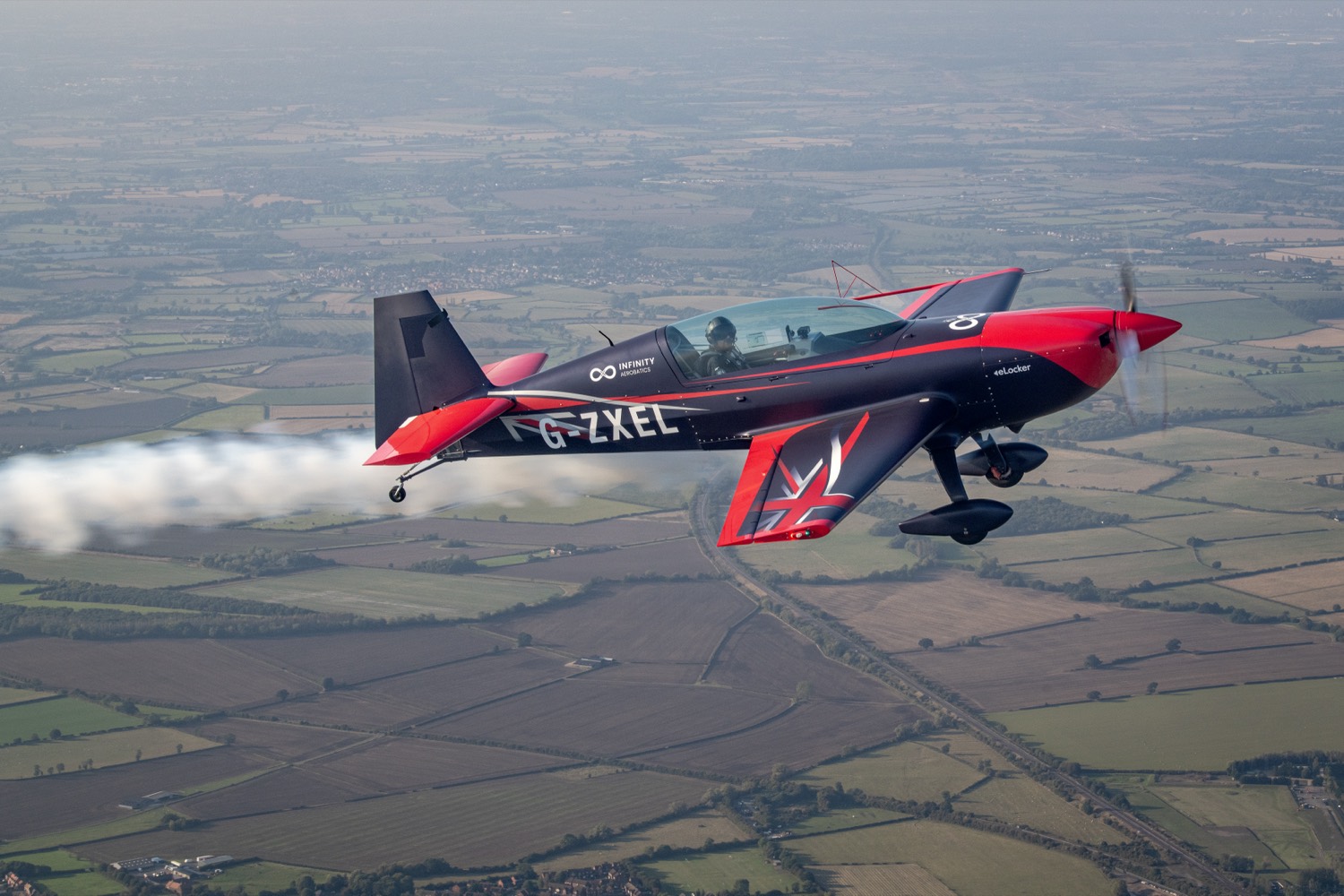
From the ground, flying wingtip to wingtip looks like magic. Up close it is something more useful: discipline. Formation flying training is where a good pilot learns to hold a position to the foot, read another aircraft by eye alone, and trust the people around them completely. Here is how that skill is actually built: the progression, the habits, and the reasons it takes the time it does.
What formation flying training actually teaches
Formation is not about throwing shapes in the sky. It is about precision and restraint: holding a fixed position relative to another aircraft while it climbs, rolls and turns, and doing it smoothly enough that the whole group moves as one.
The hard part is not the flying. It is the stillness. You learn to make a hundred tiny corrections a minute so the aircraft next to you never appears to move. Done well, it looks effortless. That effortlessness is the whole discipline.
Before you start: the foundations
Before you fly close to another aircraft, you need to be completely at home flying your own. Formation builds on solid aerobatic ability. You should already be able to fly the core figures, loops, rolls and stall turns, with precision and a calm head. If that is still ahead of you, our experience flights and aerobatic training are where that foundation gets laid.
Four things matter most before you begin:
- Aircraft handling: control so smooth you no longer think about it
- Airmanship: spatial awareness and a level head when the cockpit gets busy
- Communication: clear radio work, and the knack of reading another pilot by eye
- Discipline and trust: sticking to the brief exactly, and trusting the pilots around you
Formation flying is a team sport. It rewards the disciplined, not the flashy.
The formations you will learn
Each shape asks something different of you, and the training works through them in order of difficulty:
- Line abreast. Side by side on the same line. Easy to picture, unforgiving on lateral position.
- Echelon. Staggered diagonally behind the leader. Good visibility, and a staple of display work.
- Fingertip. Tucked in tight in a V, like fingers on a hand. Close, exacting, and the shape most people mean when they say “formation”.
- Trail. Nose to tail in a line, used to move cleanly between other shapes.
- Diamond. Four aircraft locked into a diamond. The picture everyone knows, and the one that asks the most of everybody in it.
What does a formation flying course involve?
The training moves you from solo aerobatics to coordinated flight in deliberate stages, so nothing is rushed.
- Ground school. Every course starts on the ground. You cover positioning, communication technique, and the emergency procedures specific to flying in close company, long before you go anywhere near another aircraft in the air.
- Flying with an instructor. You begin in tandem with a certified instructor, learning the basic formations and building the fine, accurate control you need to hold position near another aeroplane.
- Graduated manoeuvres. As you settle, the shapes get tighter and the manoeuvres more demanding, difficulty added only as you are ready for it.
- The debrief. Every flight ends on the ground, going through what happened with your instructor. This is where most of the real learning lands. The honest, detailed debrief is what turns a decent sortie into a lesson.
Progress is not measured in loops flown. It is measured in how quietly, and how precisely, you can hold your slot.
The brief is where safety lives
Formation flying is safe because it is prepared. Nothing in the air is improvised.
Before every flight the aircraft are inspected thoroughly, then the pilots brief in detail: the flight plan, the weather, the exact positions each aircraft will hold, and the manoeuvres to be flown. Every pilot’s role is spelled out: who is leading, who is flying wing, and what each is responsible for.
The brief also covers the parts you hope never to use: breakaway manoeuvres, how the formation rejoins, and what each pilot does if something is not as expected. Agree it all on the ground, and the sky becomes calm and predictable. That preparation is exactly why a discipline this precise stays this safe.
Where the skill takes you
Formation is the doorway to the most rewarding flying there is: the coordinated, choreographed work you see at every airshow, and the quiet satisfaction of moving as one with pilots you have come to trust.
If the pull for you is as much the people as the flying, that is worth its own read: flying in close formation with other like-minded pilots is about the community the training builds.
Formation flying training is demanding, and that is the point. The discipline is the reward. Master it, and you will hold a slot in the sky with a precision that looked, from the ground, like magic.
Keep reading
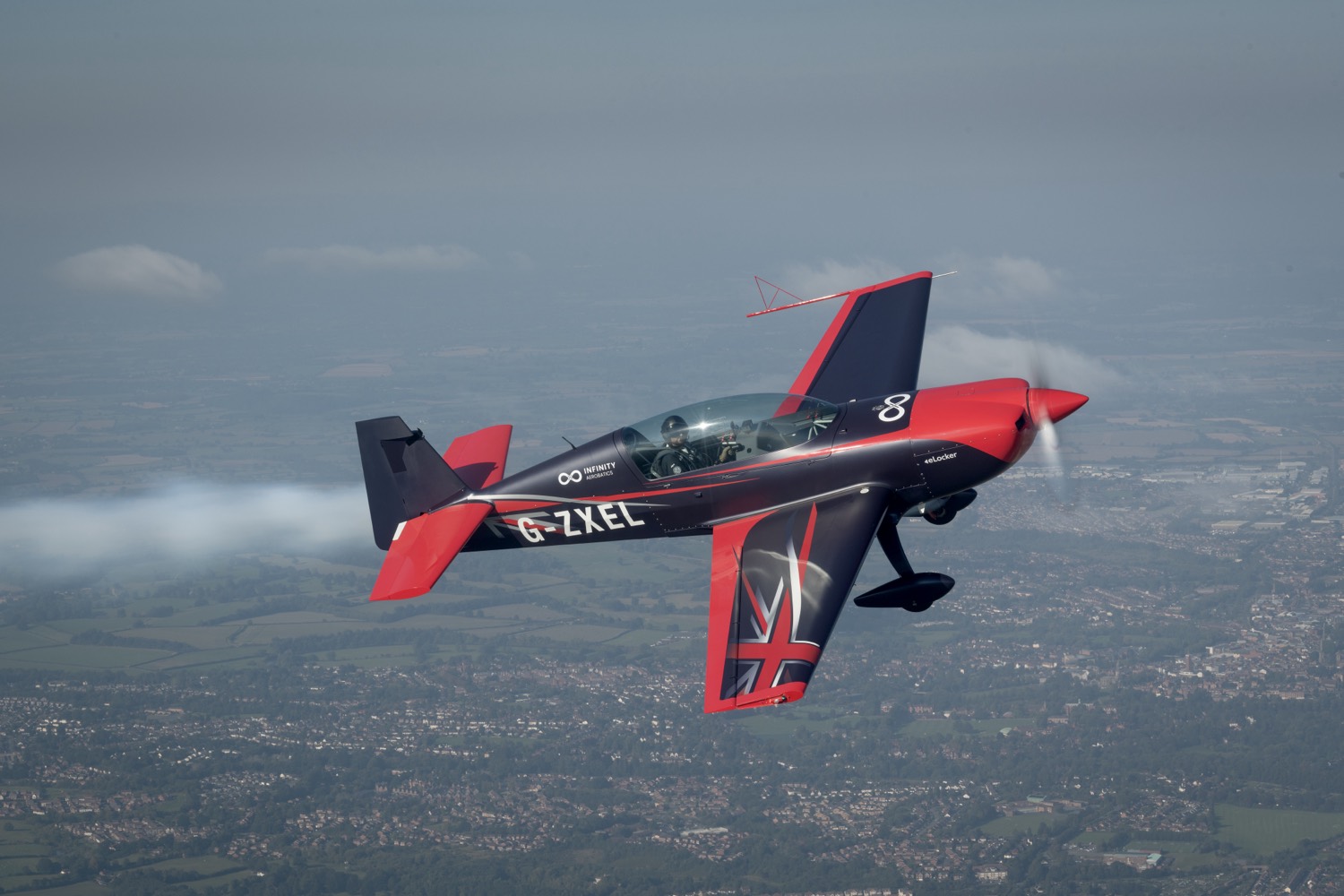 Formation
Formation Flying: The Skill Behind the Spectacle
Formation flying looks like magic from the ground. Here is the real skill behind it: the spacing, timing and trust that hold two aircraft as one.
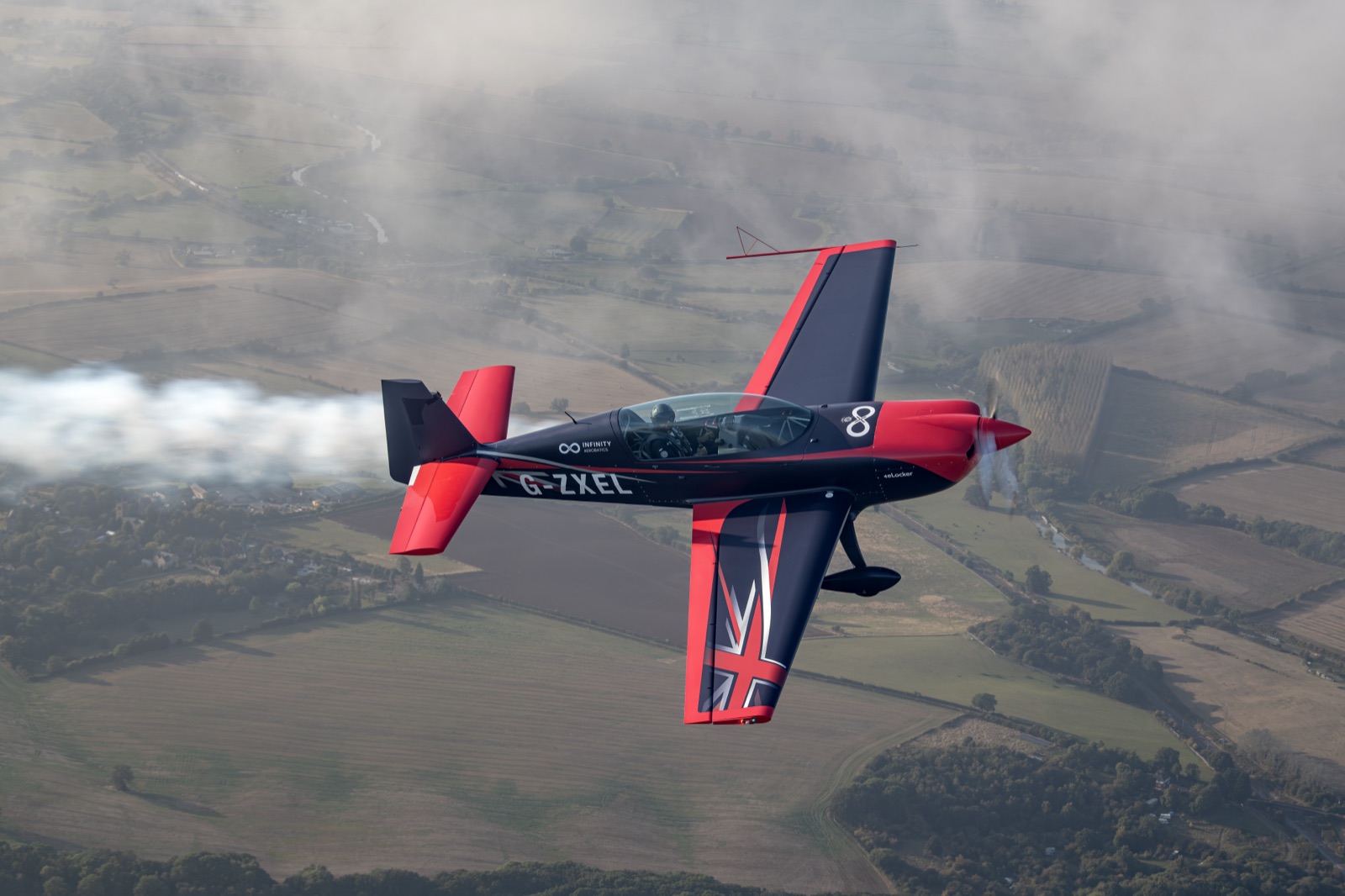 Formation
Formation Flying: A Warm Welcome for New Pilots
Curious about formation flying? Here is how it works, what it feels like to fly a few feet from another aircraft, and how a first-timer joins in at Infinity.