The History of Formation Aerobatics: How It Began
From early daredevils to World War II squadrons and today's display teams: the history of formation aerobatics and the pilots who first dared it.
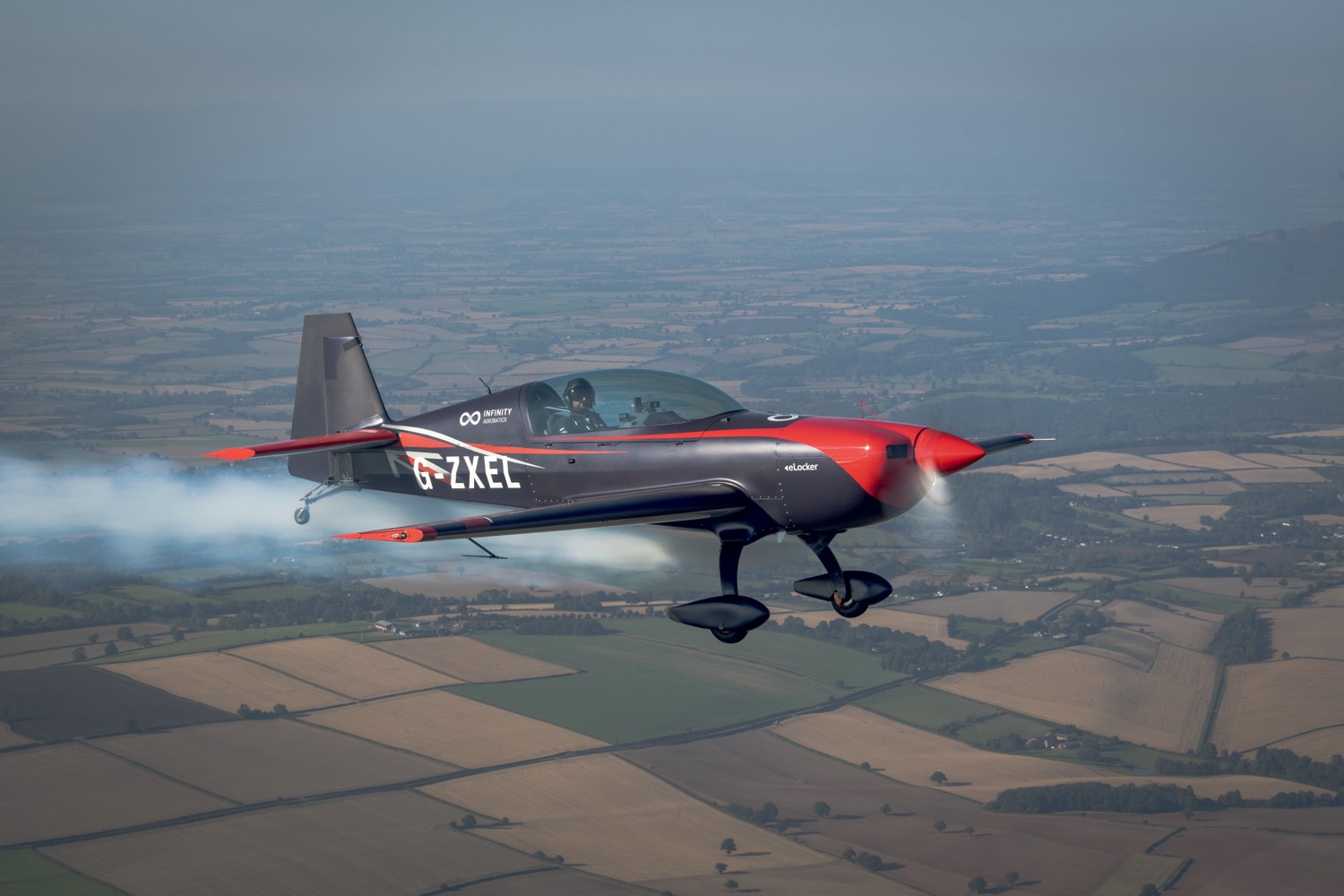
Every formation you have watched thunder past at an airshow began with one nervy question: what happens if I try this alongside another aeroplane? The history of formation aerobatics is really the story of pilots answering that question: first solo, then in pairs, then in the tight, trusting teams that fill the sky today. It reaches back to the earliest banked turns and runs all the way to the display routines you can still catch overhead.
Here is how it began, and how it grew up.
Where did it all begin?
You can trace aerobatics to the very start of powered flight. The Wright Brothers, better known for getting off the ground at all, also flew one of the first true aerobatic manoeuvres, a controlled 360-degree banked turn that astonished onlookers and proved an aeroplane could be steered, not just kept level. Every roll and loop since owes something to that first turn.
Europe learns to fly upside down
Europe was quick to answer. The French pilot Adolphe Pegoud became the first to fly inverted, and is credited with performing the loop-the-loop, proof that an aeroplane could leave straight-and-level behind entirely. His flying turned aerobatics from a curiosity into a discipline other pilots wanted to master.
The barnstorming years
By the 1920s, airshows were drawing crowds across Europe and America, and a generation of daring pilots made their names in front of them. Ernst Udet, Michel Détroyat, Jimmy Doolittle and Pancho Barnes thrilled audiences while quietly pushing the craft forward. Ormer Locklear became famous for landing a perfect “dead stick” (engine off) among other nerve-shredding stunts. This was aerobatics as showmanship, and it built the appetite that formation displays would later feed.
How did the military shape formation aerobatics?
The biggest leap came from necessity. During World War II, flying tight, disciplined formation became an essential skill for military pilots, and the techniques stunt pilots had pioneered were adopted straight into combat tactics. Manoeuvres like the hammerhead stall, the corkscrew and the inverted flat spin moved from the display circuit to the front line. Formation flying stopped being a spectacle and became a matter of survival, and pilots got very, very good at it.
Machines built for the job
For decades, pilots threw ordinary aeroplanes around skies they were never designed for. That changed in the 1950s, when Curtis Pitts introduced the Pitts Special S-1, recorded as the first aircraft engineered specifically for aerobatics. A purpose-built airframe could take the punishment of high-intensity flying, and the whole discipline moved up a gear. The lineage that runs from the Pitts leads directly to modern aerobatic aircraft like the Extra 300 we fly today.
The manoeuvres that defined each era
Some figures are so tied to their moment that they read like a timeline of the sport:
- The Loop (1920s). The oldest and most spectacular figure, a full vertical circle back to the same height and heading. It became an airshow staple and showed off both the aeroplane and the nerve of the pilot flying it.
- The Immelmann Turn (1940s). Half a loop followed by a half-roll, a quick way to change direction while gaining height. Fighter pilots leaned on it, and it became standard military training.
- The Cuban Eight (1950s). A figure eight of partial loops and half-rolls that lets a pilot reverse direction without breaking flow. Flown by American pilot Len Povey at an airshow in Cuba, hence the name.
- The Lomcevak (1970s). A wild, tumbling figure from Eastern Europe that looks like it defies physics. Its name comes from a Czech word meaning “headache,” which tells you plenty.
- The Knife-Edge Pass (1980s). The aeroplane heaved onto its side, wings vertical, held there on the rudder, usually low down for maximum effect.
Formation aerobatics today
The sport has never stopped growing. Competitions and airshows push pilots to try new figures every year, and modern display teams fly routines with a precision the barnstormers could only dream of. The thread from those first banked turns to today’s formations is unbroken: the same instinct to find out what is possible next to another aircraft.
If you want to see where that thread leads, our Extra 300 Experience puts you in the seat for it, and our guide to formation flying training walks through how it is done properly.
From a single banked turn to a squadron holding station wingtip to wingtip, the history of formation aerobatics is a story of nerve, curiosity and steady craft. And it is still being written every season.
Keep reading
 First Timers
Can Anyone Fly Aerobatics? Age, Weight, Health and Nerves, Explained
Aerobatic flight age limit, weight, health and nerves, honestly explained. Most people can fly, no experience needed; check size or medical concerns with us first.
 Gifts
GiftsThe Bucket-List Gift That Beats Another Jumper: An Aerobatic Flight Experience
An Extra 300 aerobatic flight gift voucher for £299: valid 12 months, open-dated, PDF in minutes. A bucket-list gift the recipient flies when it suits them.