How Pilots Perform Aerobatics: Behind the Wonder
Ever wondered how pilots perform aerobatics? A behind-the-scenes look at the training, energy management and precision behind every jaw-dropping loop and roll.
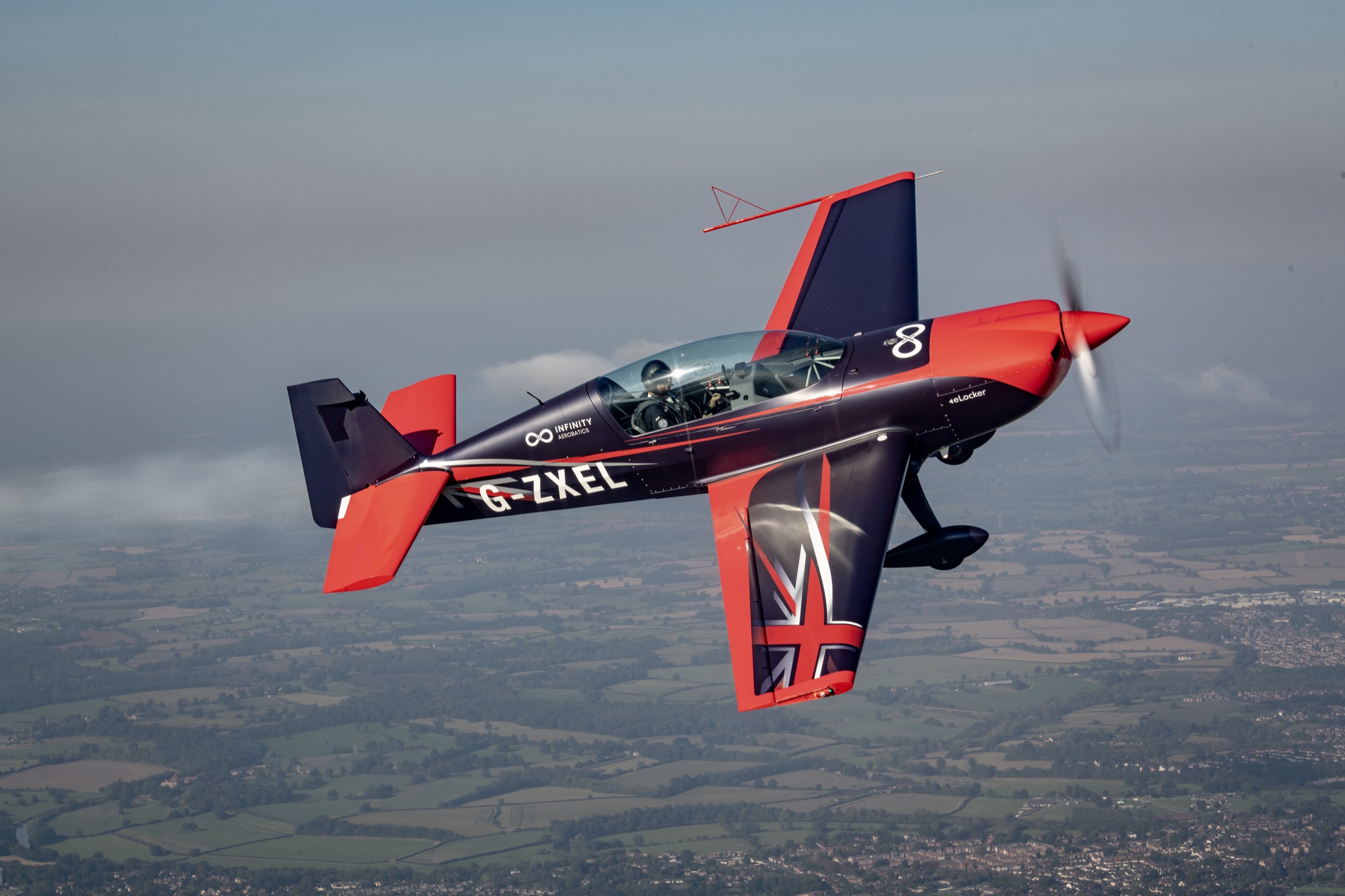
Watch a good aerobatic sequence and it looks like magic. An aeroplane draws loops and rolls in the sky as if gravity were optional. It isn’t magic, and it isn’t luck. The honest answer to how pilots perform aerobatics is a blend of deep training, careful energy management, and an aircraft built to do exactly what it is asked. Here is what is really going on behind the wonder.
So how do pilots perform aerobatics?
Every figure in the sky is a trade of one kind of energy for another. Speed becomes height, height becomes speed, and the pilot’s job is to spend and recover that energy in the right order.
A loop is the clearest example. Airspeed is converted into altitude on the way up, then back into airspeed on the way down. Get the timing right and it flows. Get it wrong and the figure falls flat.
That is the secret hiding in plain sight. Aerobatics is less about bravery and more about precision. The theatre you see from the ground is a pilot managing energy, control inputs and their own body, all at once.
It starts on the ground, not in the air
No one straps into an Extra 300 and starts throwing loops. Aerobatic pilots build from the bottom up.
- First comes a private pilot’s licence: the foundation, where you learn to fly straight and level, read the aeroplane and make decisions in the air.
- Then comes specialised aerobatic training, always with an instructor, learning each figure slowly before ever flying it solo.
- Underneath both sits energy management: the habit of always knowing how much speed and height you have left to spend.
The best pilots never stop being students. A sequence is rehearsed on the ground first, hand-flying the shapes with a flat palm, long before it is flown for real.
What does it take to fly aerobatics?
Two things the training tests hard: your body and your head.
Physical fitness matters because aerobatic flying loads you up. Positive G presses you into the seat, and the pilot tenses their legs and stomach and breathes in short, sharp breaths to stay clear-headed. Strength, coordination and stamina all help.
Mental sharpness matters just as much. A sequence gives you seconds, sometimes less, to judge a line, correct it and set up the next figure. Concentration under pressure is the skill that separates a tidy display from a scrappy one.
An aircraft built to do exactly what you ask
Training only takes you so far without the right machine. The Extra 300 is built for this and little else.
Its wing is symmetrical, a mirror image top and bottom, so it flies as happily inverted as upright. Its controls are direct and immediate, so the aeroplane responds the instant you ask. And the airframe is stressed far beyond anything a flight will ever demand, which is exactly what makes pushing towards the edge feel secure rather than sketchy.
Give a skilled pilot an honest aircraft and the manoeuvres stop being a fight and start being a language. If you want a tour of the shapes themselves, our guide to the manoeuvres every first-timer should try walks through each one and what it feels like from the seat.
Practice, one figure at a time
Even simple-looking figures are built up in pieces.
- Loops usually come first, flown high and gentle, then tightened as confidence grows.
- Barrel rolls teach coordination, blending aileron and rudder while keeping enough airspeed to stay clean.
- Cuban eights stitch loops and rolls into a figure-eight, and demand real spatial awareness so you never lose track of which way is up.
A pilot flies each of these hundreds of times before it looks effortless. What reads as instinct from the ground is really deep repetition.
Safety is the quiet part
The showmanship gets the applause. The safety work happens where no one is watching.
- The aircraft is inspected before and after flights, and maintained by mechanics who know the type inside out.
- Pilots wear parachutes and drill their emergency responses, recovering from spins and stalls until it is automatic.
- Display flying follows firm rules: minimum altitudes, designated areas away from crowds, and safe distances between the aircraft and spectators.
None of it is glamorous. All of it is why aerobatics can look wild and still be flown with a wide margin.
So how do pilots perform aerobatics? Years of training, a constant read on energy, an aeroplane that answers instantly, and a great deal of quiet practice. All of it so the flying can look effortless from the ground. The best way to understand it, of course, is from the front seat.
Keep reading
 Culture
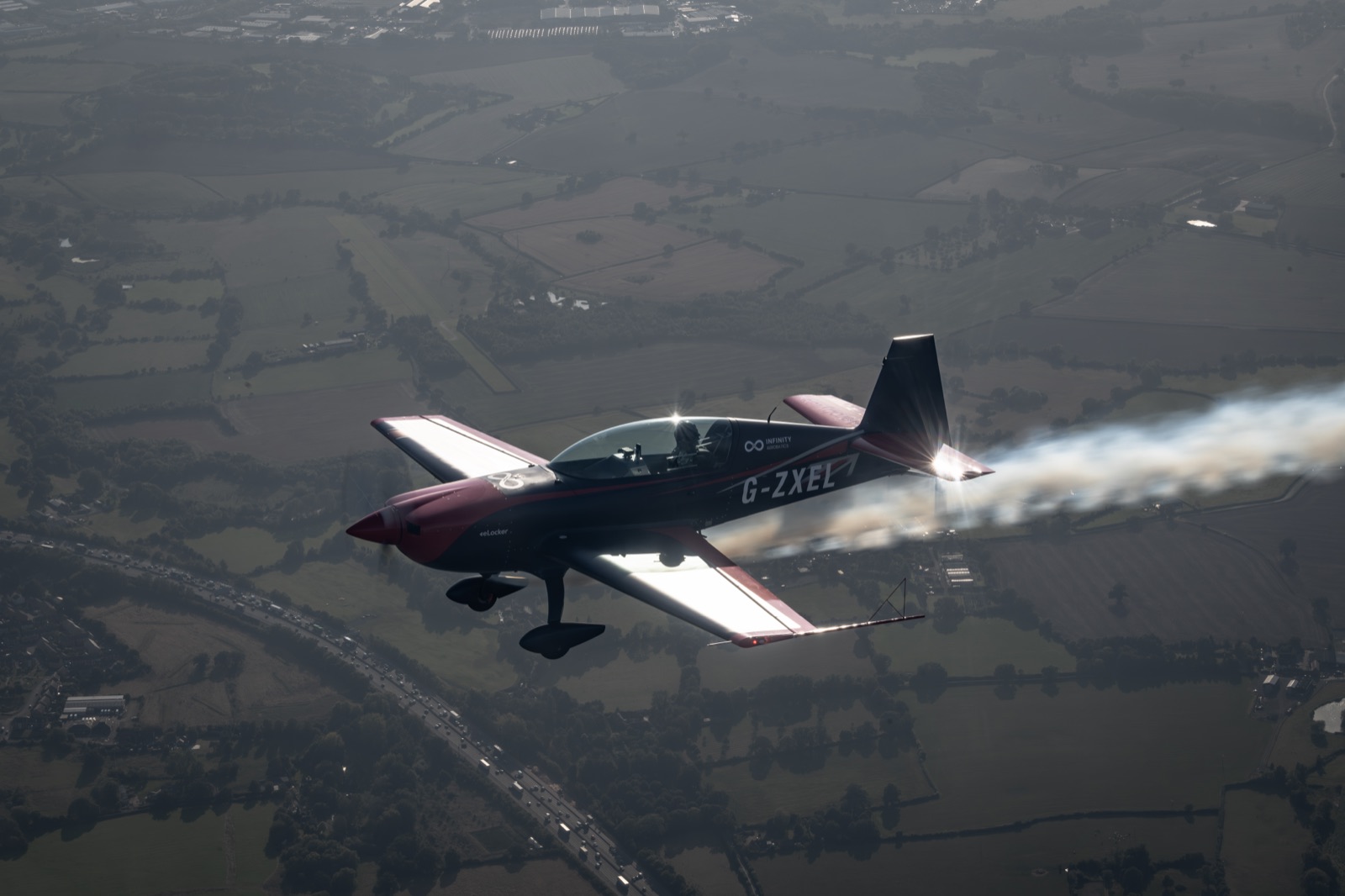
Are the Stunts in Top Gun Real? What Aerobatic Flying Is Actually Like
Hollywood's dogfights are dialled up for the big screen. But the flying underneath them is more real than you think. We separate the movie magic from the g-forces you can genuinely feel.
 Culture
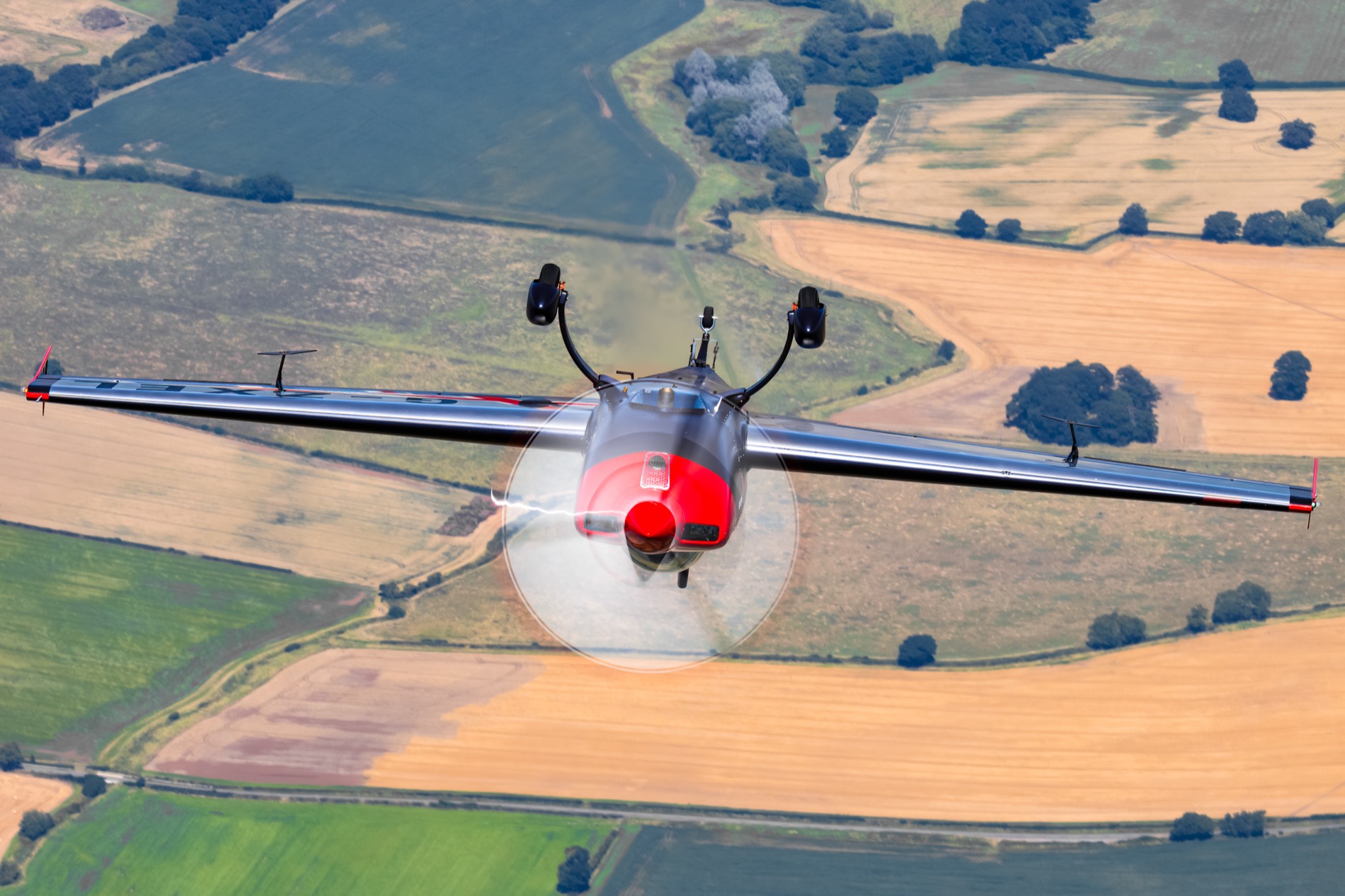
The 5 Craziest Airplane Stunts Ever Performed
Balloon weaves, tunnel threading and a jet standing on its tail. A fun, honest tour of the craziest airplane stunts ever flown, and what they take.